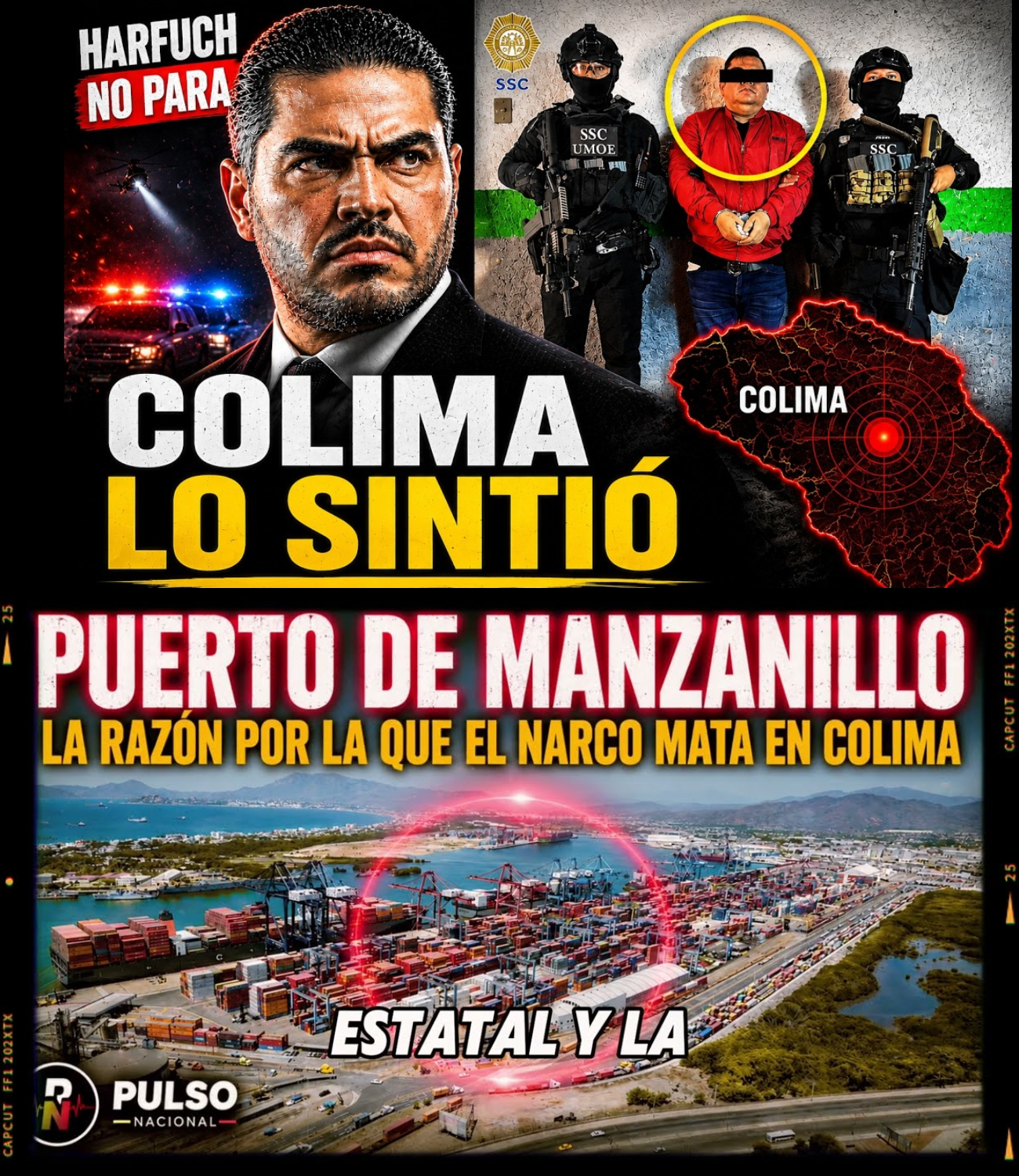
In the early hours of Tuesday, May 27, 2026, while most of Colima was still asleep, a coordinated, silent operation unfolded that would soon send shockwaves through the national security landscape. Elements of the Mexican Secretariat of the Navy, in close collaboration with the State Police and the State Attorney General’s Office, executed a precise strike against five primary targets. These individuals were not minor players; they were identified as key generators of violence within a criminal group known as “Los Mezcales.” This operation was not an isolated incident, but rather the culmination of a strategic move to dismantle a network that has long plagued one of Mexico’s most critical maritime corridors.
Omar García Harfuch, in a presidential conference, addressed the operation with the clarity that has become his hallmark. He confirmed the detention of these priority targets, emphasizing that the action was a necessary step to restore peace in a region that has become synonymous with violent territorial d
isputes. When asked directly about whether the violence would decrease, Harfuch did not offer diplomatic evasions; he stated unequivocally that it would. This confidence is rooted in a deep understanding of the criminal hierarchy, as these detentions represented a significant blow to the operational capacity of Los Mezcales.
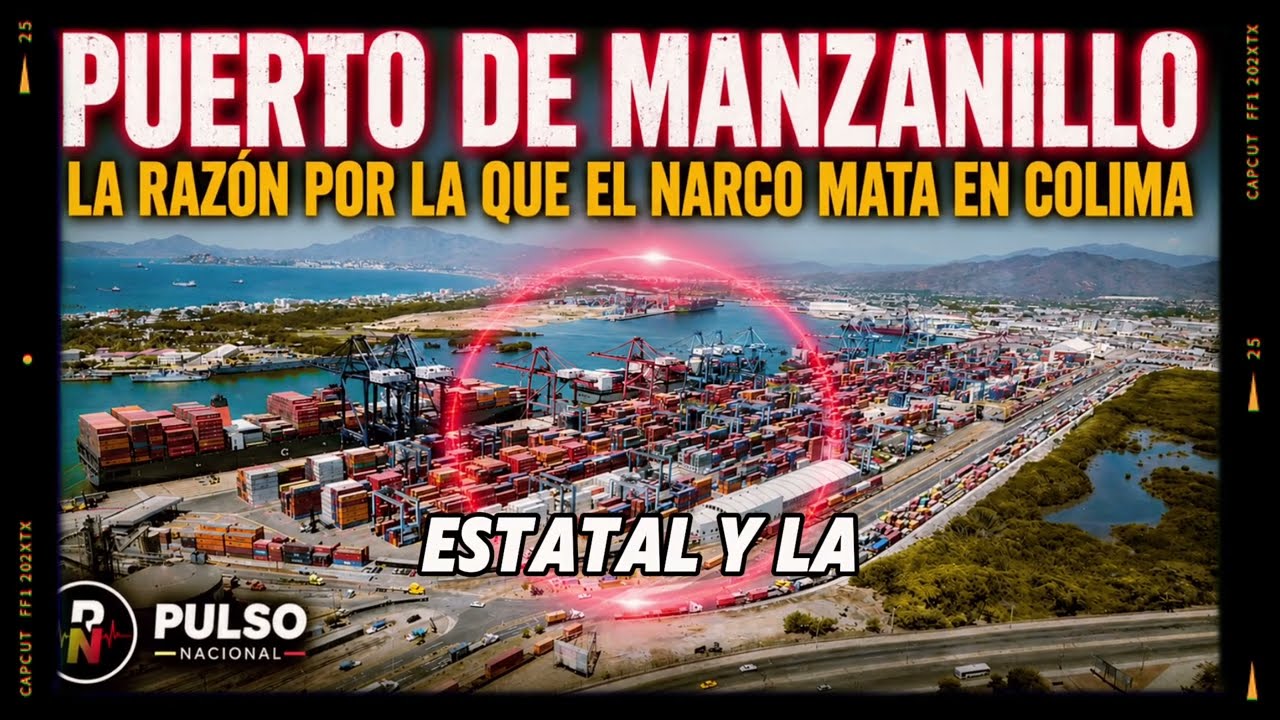
To understand why these detentions sparked such a violent reaction—resulting in narcobloqueos across Colima—one must understand the stakes involved. Los Mezcales are not merely a local street gang; they are an organization that has spent years fighting for control over the Port of Manzanillo. This port is the most important in the Mexican Pacific, serving as the primary gateway for millions of containers arriving from Asia each year. It is the lifeblood of trade, but it is also the target of intense criminal interest. According to reports from the United States Department of the Treasury, the Cartel Jalisco Nueva Generación (CJNG) has historically controlled the port, utilizing its infrastructure to facilitate the arrival of precursor chemicals from China destined for the production of fentanyl and methamphetamine.
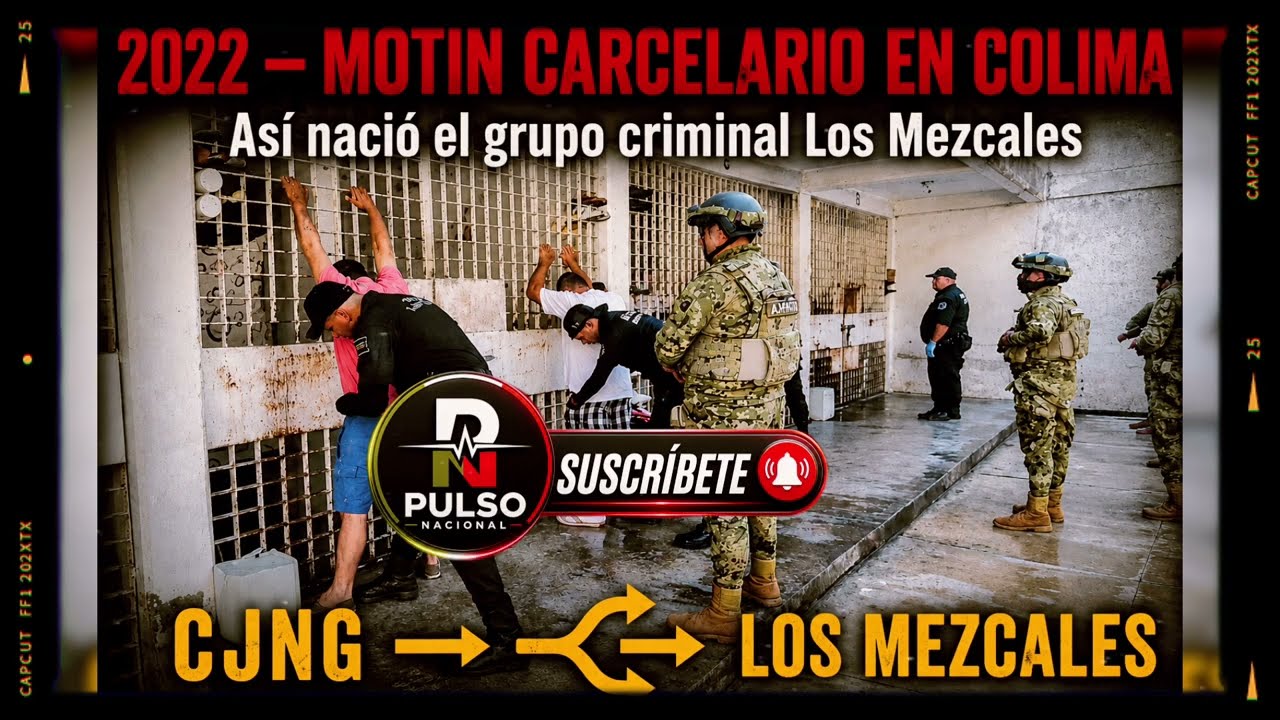
The origin story of Los Mezcales provides essential context for the current instability. They were once a faction of the CJNG, but the relationship fractured definitively following a prison riot in 2022. For four years, they have been engaged in a brutal campaign to wrest operational control from their former allies. This conflict has always been a dangerous game of chess, but the death of the CJNG leader in early 2026 created a significant power vacuum. With the CJNG in a state of organizational flux and other cartels simultaneously vying for influence, Los Mezcales saw a narrow window of opportunity to expand their reach. Their overextension during this period of transition made them vulnerable to the decisive government intervention seen this week.
The federal response was immediate and strategic. Upon the ignition of the narcobloqueos, the government did not wait for the situation to escalate; 200 additional federal elements were deployed instantly to reinforce the existing security forces. This was not a reactive scramble, but a prepared execution of strategy. By neutralizing key operators, the authorities have effectively interrupted the cycle of violence, buying valuable time for the state to stabilize. However, the challenge remains substantial. Colima has historically struggled with high homicide rates, and while individual detentions are a positive and necessary disruption, they do not resolve the structural conditions that allow such criminal organizations to thrive.
The significance of these events extends far beyond the borders of Colima. Because the Port of Manzanillo is the entry point for ingredients used in the manufacturing of illicit substances that claim tens of thousands of lives in the United States every year, the region is under constant international scrutiny. The fact that the federal government is speaking so openly about these operations reflects a new, more transparent approach to addressing the national security crisis. It acknowledges that the violence in Colima is not just a localized issue of street crime, but a matter of continental security.
Looking ahead, the strategy appears to be one of continuity. Harfuch’s statements imply that this week’s detentions are merely the beginning of a larger sequence of operations. The goal is to return the state to a level of normality, but achieving this requires more than just security measures. It demands a rigorous analysis of why these criminal generators of violence continue to emerge and how the state can effectively address the root causes of its instability. The history of Colima shows that the cycle of violence is persistent, and breaking it will require a sustained, multi-layered effort that goes beyond the immediate need to disrupt criminal operations.
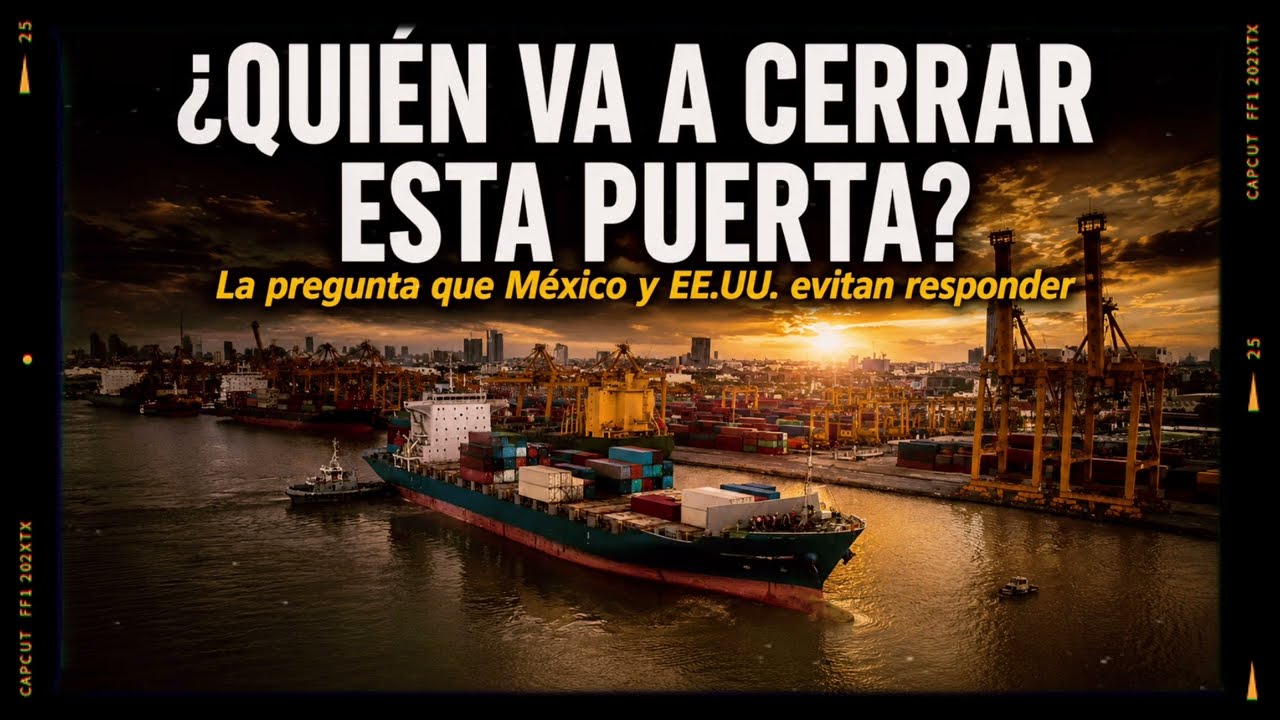
As the dust settles on this latest confrontation, the citizens of Colima and the rest of the country are left with difficult questions. If the Port of Manzanillo is the known entry point for dangerous precursor chemicals, and if both Mexican and American authorities have thoroughly documented this, why has there been such a delay in establishing a robust, transparent, and joint strategy to seal that gateway? The interests, pressures, and political complexities that have historically hindered such collaboration are the conversations that are rarely held in the corridors of power.
Ultimately, the struggle in Colima is a mirror of the broader challenges facing Mexico. It is a story of how geopolitical geography, illegal trade, and power struggles converge in a single, vital location. The actions taken this week have successfully interrupted a critical threat, but the path toward lasting peace will require addressing the systemic issues that make the Port of Manzanillo such a high-stakes arena. The information provided by the authorities is a start, but the true measure of success will be found in whether these measures can translate into a permanent reduction in violence and a genuine reclaiming of the territory for the people. The battle is far from over, but for the first time in a long time, the strategy being employed seems to be directly targeting the heart of the conflict.