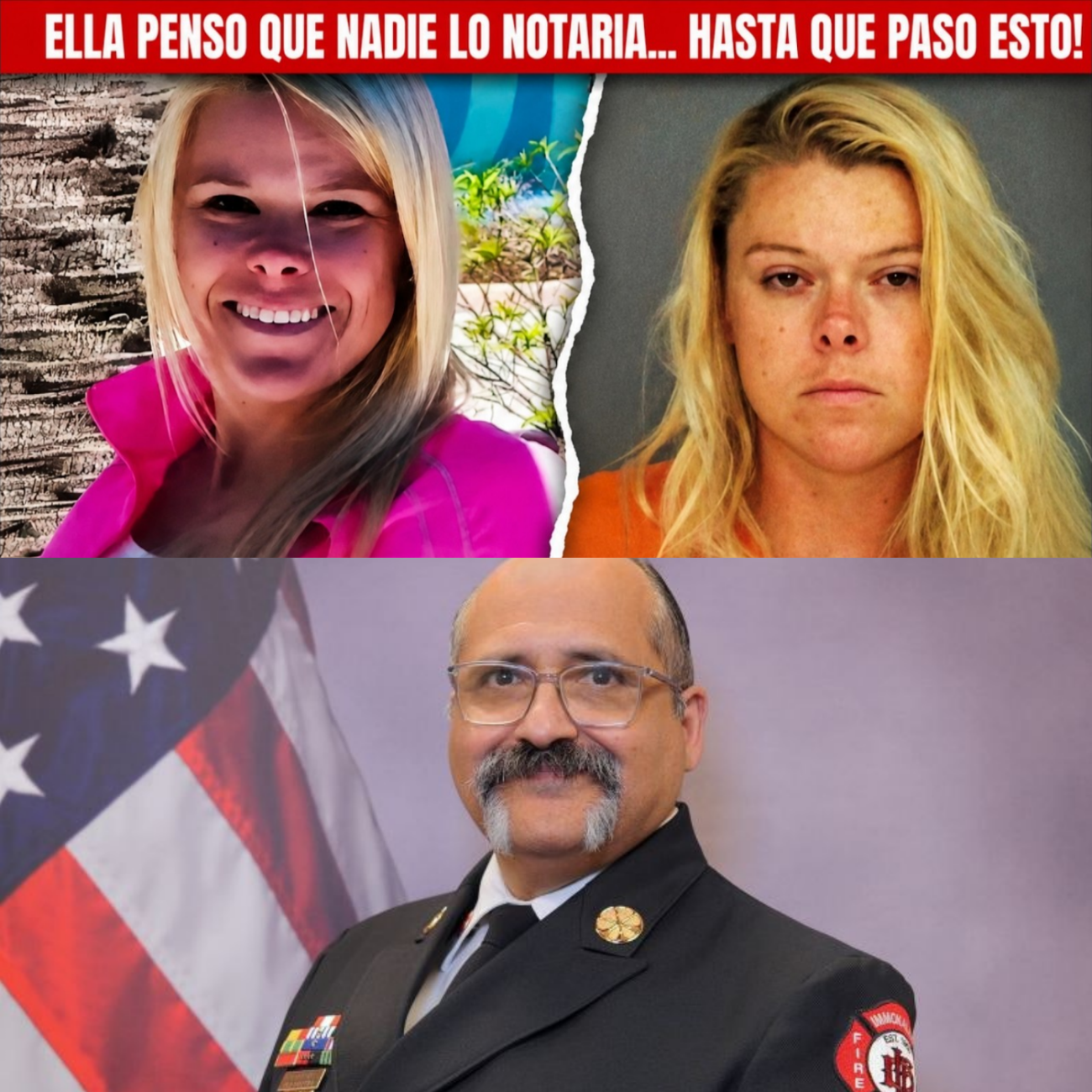
On the night of September 9, 2016, a remote, unpaved stretch of County Road 2595 in Derby City, Texas, became the site of a gruesome tragedy. Patrol officers responding to reports of gunfire found a scene that would soon unravel a complex web of deceit, greed, and cold-blooded murder. Inside a pickup truck with its engine still running lay the lifeless body of 47-year-old Robert Pointer, a dedicated firefighter and veteran, who had been silenced by a single shotgun blast.
Standing nearby in the mud was his wife, Chassey Morrison. Her clothes were intentionally coated in dirt, and she acted the part of a terrified victim, claiming that a stranger had ambushed them while Robert was helping her with a stuck vehicle. But to the experienced eyes of the responding officers, the scene didn’t add up. Chassey wasn’t crying, her breathing seemed theatrical, and the very phone she claimed the attacker had stolen was still in her possession.
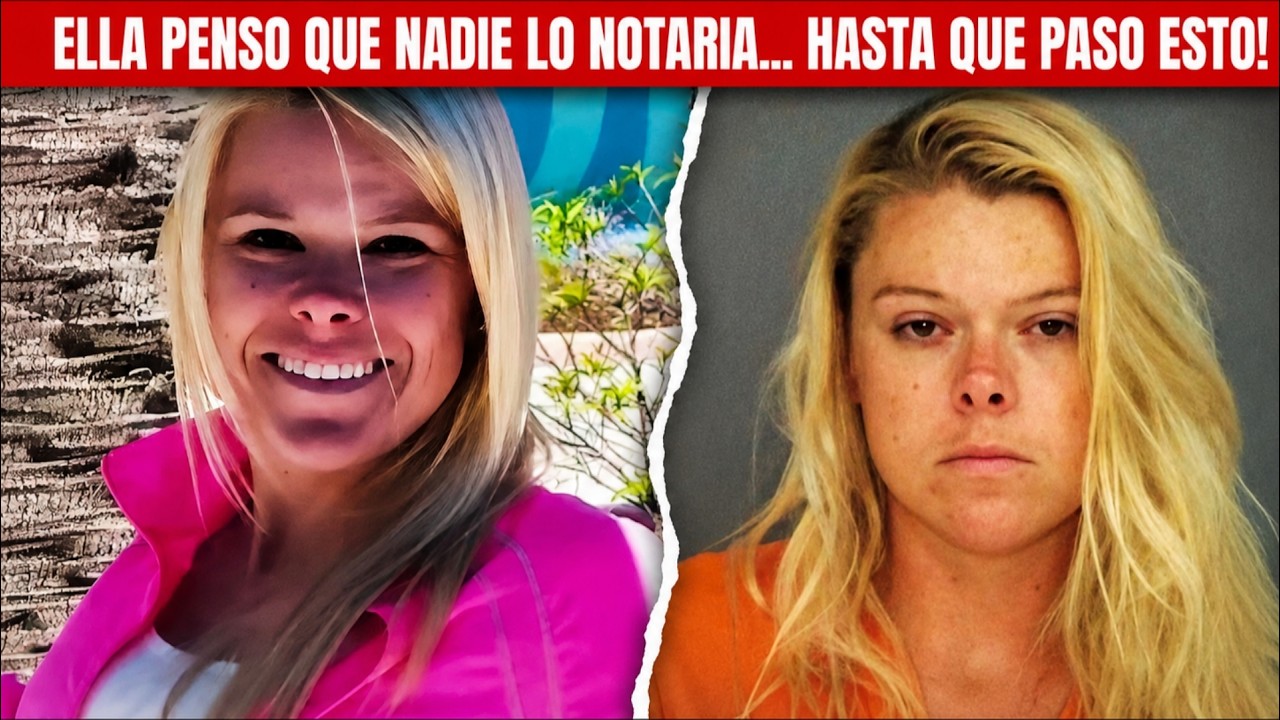
The subsequent investigation revealed that Robert Pointer’s life had been targeted not by a stranger, but by the person he trusted most. Robert was a man of integrity, a tactical leader in the fire department, and a father who had worked hard to secure a peaceful future. Chassey, nearly two decades his junior, had lived a life defined by financial instability before marrying Robert. As the marriage progressed, the couple’s financial health began to plummet, fueled by Chassey’s lavish spending on luxury items and cosmetic procedures. When Robert began to tighten the purse strings and question the financial hemorrhage, the prospect of a divorce loomed. For Chassey, divorce meant the loss of her lifestyle and the potential exposure of her infidelity. Murder, she calculated, was the only path to the inheritance she craved.
The turning point of the investigation came through the power of digital forensics. Despite Chassey’s frantic attempts to wipe her phone clean in the immediate aftermath of the shooting, experts managed to recover a mountain of deleted data. This included a long-running, incriminating conversation with her secret lover, Michael Garsa. The messages revealed a narrative carefully constructed by Chassey: she portrayed herself as a victim of abuse—a lie completely contradicted by those who knew Robert’s gentle and disciplined nature.
These texts weren’t just complaints; they were actionable plans. Chassey provided Garsa with real-time location updates, guiding him to the rural road where she would eventually lure her husband. When investigators analyzed cellular tower data, it confirmed that Garsa and Chassey were moving in tandem toward the remote location, placing Garsa at the scene at the exact moment of the murder.
Even as she was being held in the back of a police cruiser, Chassey’s performance faltered. Once the cameras were rolling and she thought she was unobserved, her “trauma” vanished. She checked her reflection, fixed her hair, and used her phone with calm composure, only reverting to her role as a grieving widow whenever an officer approached.
Michael Garsa was the first to face judgment. Attempting to hide behind the claim that he was a victim of Chassey’s manipulation, his defense failed to convince the jury. The digital evidence showed he was an active, willing participant in the murder. He was sentenced to 99 years in prison.

Chassey Pointer followed him to the courtroom. The prosecution laid out an ironclad case: the financial motive, the recovered texts, the cell tower logs, and the damning footage from the patrol car. Despite her insistence that the plan was merely to “intimidate” Robert, the recovered messages explicitly spoke of a “permanent solution.” The jury deliberated for barely over two hours before finding her guilty of capital murder. In Texas, this carried an automatic sentence of life in prison without the possibility of parole.
The murder of Robert Pointer remains a sobering reminder of how easily trust can be weaponized. Robert, a man trained to assess risks in the most dangerous environments, could not have foreseen the threat living under his own roof. He died because he was a good man who responded to a call for help—a reflex his wife exploited to orchestrate his end. In the end, the digital trail she left behind did more than prove her guilt; it ensured that her plan to inherit a life she hadn’t earned died with her freedom, leaving her with nothing but a lifetime behind bars.
Disclaimer : This content may be created by AI for entertainment purposes. Any resemblance to real persons, events, or places is coincidental.
