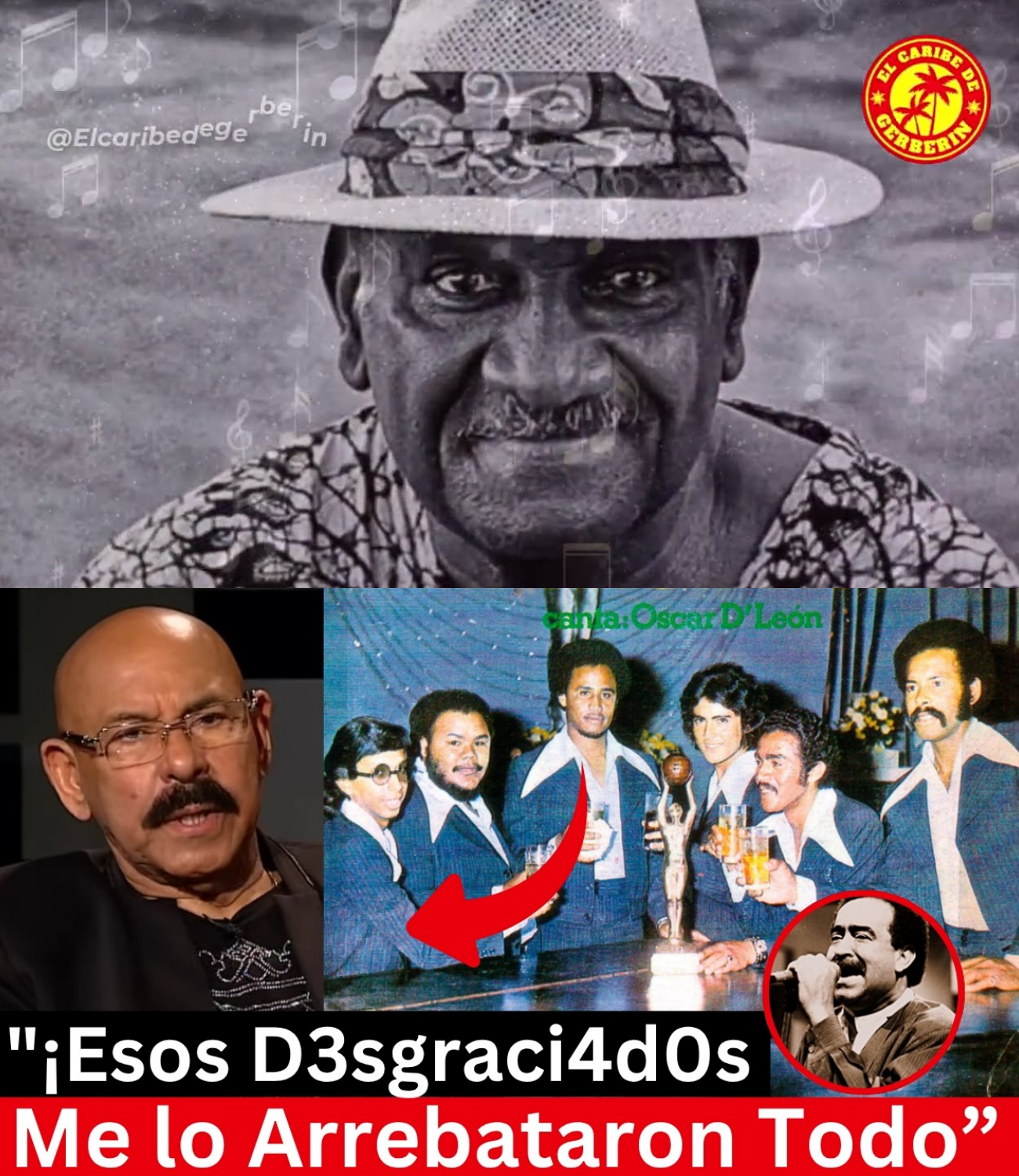
The history of Latin music is filled with spectacular rises, legendary triumphs, and deep, internal conflicts that often mirror the dramatic nature of the songs themselves. Among the pantheon of salsa greats, few names evoke as much reverence, rhythm, and raw emotion as La Dimensión Latina. Established in Venezuela during the early 1970s, this iconic orchestra did not merely perform music; they revolutionized the tropical genre, challenged the dominant monopoly of New York salsa giants, and birthed the career of one of the world’s most recognizable soneros, Oscar D’León. Yet, behind the infectious trombone lines, the historic sold-out concerts, and the gold records lies a complex narrative of financial disputes, secret corporate maneuvers, devastating betrayals, and a seventeen-year legal battle over the very identity of the band.
The story begins on March 15, 1972, in Caracas, Venezuela. At the time, Oscar D’León was working diligently as a taxi driver to support his young family, having been married in 1962. Music was his undeniable passion, often practiced informally with fellow driver Joseito Rodríguez while navigating the city streets, but a professional breakthrough seemed far away. Fate intervened when a scheduled musical group failed to show up for their gig at a local venue called “La Distinción.” Seizing the moment with immense audacity, Oscar stepped forward and boldly claimed he had a fully formed band ready to perform, despite the fact that no such group existed. He quickly contacted his musical peers, including César Monje, Víctor Cuica, Joseito Rodríguez, Elio Shuman, and “Culebra” Iriarte. After a frantic, last-minute rehearsal session in La Guaira, the newly assembled group took the stage, performing hits by Mon Rivera, Eddie Palmieri, and Willie Colón.
Initially, the musicians considered naming themselves “Dimensión 6” because there were six members and the term sounded modern for the era. However, it was saxophonist Víctor Cuica who suggested the moniker that would echo through history: La Dimensión Latina. Oscar D’León personally designed the group’s very first promotional poster and went on to create their official corporate logo. Within weeks of their impromptu debut, under the guidance of producer Víctor Mendoza and the Top Hits record label, they recorded their first major hit, “Pensando en ti,” featured on the album El Clan de Víctor. The track became an immediate radio sensation, catapulting the ensemble out of obscurity.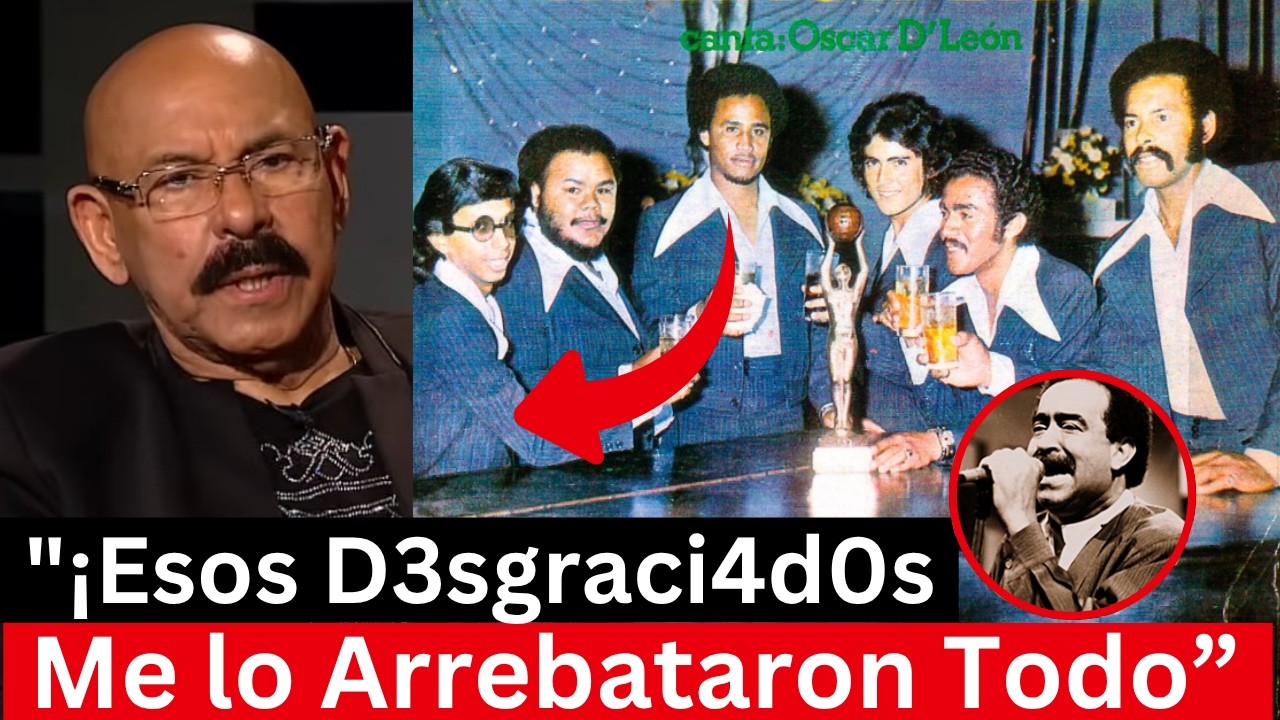
Despite the rapid taste of success, internal turbulence arrived almost immediately. Following the release of their first hit in 1972, sharp disagreements emerged regarding financial management. Four band members openly expressed dissatisfaction with how Oscar D’León handled the orchestra’s earnings. Rather than allowing the conflict to fracture the group, Oscar renegotiated the financial terms, and by 1973, a formal contract was signed, providing stability and ensuring the band could move forward together. That same year, they released Dimensión Latina 72 (deliberately named after their founding year to preserve momentum), which marked the beginning of their national tours beyond the capital city. They followed this with the highly successful album Triunfadores, featuring the hit “Que bailen todos.”
The trajectory of the orchestra shifted dramatically in 1974 with the introduction of Vladimir Lozano, a talented bolero singer from Caracas possessing a smooth, deeply emotional voice. The pairing of Oscar D’León’s vibrant, high-energy sonero style with Vladimir’s soulful romanticism created a brilliant musical duality. In 1975, they released Dimensión Latina 75, an album widely considered to be the most iconic masterpiece in Venezuelan salsa history. The album featured timeless tracks like “Taboga,” “Cañonazo,” and the legendary anthem “Llorarás.” Ironically, “Llorarás” had been written by Oscar D’León years prior and kept tucked away in a nightstand drawer; it was added to the album at the last minute simply to fill remaining space on the vinyl record. It went on to become their highest-selling single of all time, transforming the orchestra into an international phenomenon capable of competing with the elite salsa empires of New York.
By 1976, the group added a third trombone played by Carlos Guerra to further fortify their signature heavy brass sound, producing additional hits such as “Dolor cobarde,” “El frutero,” and “Dormir contigo.” They embarked on their inaugural tour of the United States, culminating in the recording of the live album La Dimensión Latina en Nueva York. However, this period of unparalleled creative success masked a growing, bitter rift behind the scenes.
The turning point occurred late in 1976 when Oscar D’León discovered that his bandmates had secretly registered the name “La Dimensión Latina” in the local mercantile registry entirely behind his back, effectively stripping him of any individual ownership of the brand he had helped build and design. Deeply wounded by what he perceived as a profound betrayal, Oscar confronted the group. The dispute quickly escalated, resulting in public accusations of financial impropriety aimed at damaging Oscar’s professional reputation within the music industry. Recognizing that the working relationship was permanently fractured, Oscar negotiated a financial settlement for his departure and officially exited the band to launch his solo career.
The departure of their charismatic frontman left a massive void, sparking widespread speculation about whether the orchestra could survive without its signature performer. Rather than collapsing, La Dimensión Latina executed a bold restructuring strategy in 1977. They initially recruited vocalist Argenis Carruyo, though he quickly departed due to the immense pressure of replacing Oscar. Seeking critical advice on how to sustain their international status, the band consulted the legendary Puerto Rican timbalero Roberto Roena, who offered a monumental suggestion: recruit Andy Montañez, the iconic lead vocalist of El Gran Combo de Puerto Rico.
The orchestra extended an extraordinary financial offer to Montañez—rumored to involve a seven-figure sum in US dollars to secure his release from his previous contract, alongside premium benefits such as open-ended, non-stop flights back to Puerto Rico and the freedom to pursue solo projects. Montañez officially joined the group in late 1977, alongside the talented young sonero Rodrigo Mendoza, creating an unprecedented three-vocalist frontline consisting of Vladimir Lozano, Andy Montañez, and Rodrigo Mendoza. On November 11, 1977, this formidable new lineup debuted globally at the International Salsa Festival held at Madison Square Garden in New York City, sharing the stage with legendary artists like Wilfrido Vargas and Cheo Feliciano. Montañez remained with the orchestra until 1980, recording eight highly successful albums and delivering unforgettable hits like “El eco de un tambor” (composed by Tite Curet Alonso) and “Ave María Lola.”
The fallout from Oscar D’León’s departure also sparked external musical warfare. A rival orchestra named La Salsa Mayor—which featured former associates of Oscar, including Leo Pacheco, Pellín Rodríguez, and Panamanian singer Carlos el Grande—released a biting, direct diss track aimed squarely at Oscar titled “Fuimos Amigos.” The song featured lyrics directly attacking his character, declaring, “Friends we were, but you failed me and took away my peace.” Though Oscar had previously recorded a song titled “Sin Rencor,” it was not a response to this track, having been produced prior to the conflict. Eventually, Oscar and his rivals reconciled, but the public musical feud remains a legendary chapter in salsa history.
As the golden era of the 1970s transitioned into the 1980s and 1990s, La Dimensión Latina faced its most grueling challenge: a prolonged battle over their identity. Following a decline in the orchestra’s commercial success mid-decade, a prominent music promoter named Luis Pérez legally purchased and registered the trademark “La Dimensión Latina.” Pérez took full operational control, organizing tours and recording albums under the name, which triggered a fierce, decade-long conflict with the original founding members. The founders publicly alleged that their historic name had been hijacked and held hostage by third parties who had no hand in creating its legacy. For seventeen years, the veteran musicians were legally blocked from using their own name, forced to perform under alternative titles like “La Auténtica Dimensión Latina,” while facing aggressive lawsuits from Pérez for trademark infringement. It was not until 2017 that the Venezuelan judicial system finally intervened, legally returning the trademark rights to the original founding musicians.
Despite these intense internal dramas, the cultural impact of La Dimensión Latina remains completely unassailable. Their groundbreaking format of pairing a high-energy sonero with a smooth bolero vocalist set a structural template that countless tropical orchestras across Latin America copied for decades. In recognition of their immense artistic contributions, the city of Caracas declared the orchestra a Cultural Patronage in 2012, followed by the Venezuelan national government officially designating them as a Musical Heritage of the Nation in 2017. Celebrating over half a century of continuous musical activity, the surviving original members reunited for a massive, historic anniversary concert at the Poliedro de Caracas, solidifying their eternal status as “Los Generales de la Salsa”—the undisputed generals of the rhythm.
Full video:
Disclaimer : This content may be created by AI for entertainment purposes. Any resemblance to real persons, events, or places is coincidental.
