An index fund is a mirror held up to the market and an invitation to be ordinary on purpose.
In a culture that sells exceptionalism by the minute, choosing “average” feels like an insult.
Yet the paradox of markets is that average, after fees and taxes, often beats the majority of attempts at extraordinary.
Boredom, in this context, is not a deficit of imagination; it is a surplus of discipline.
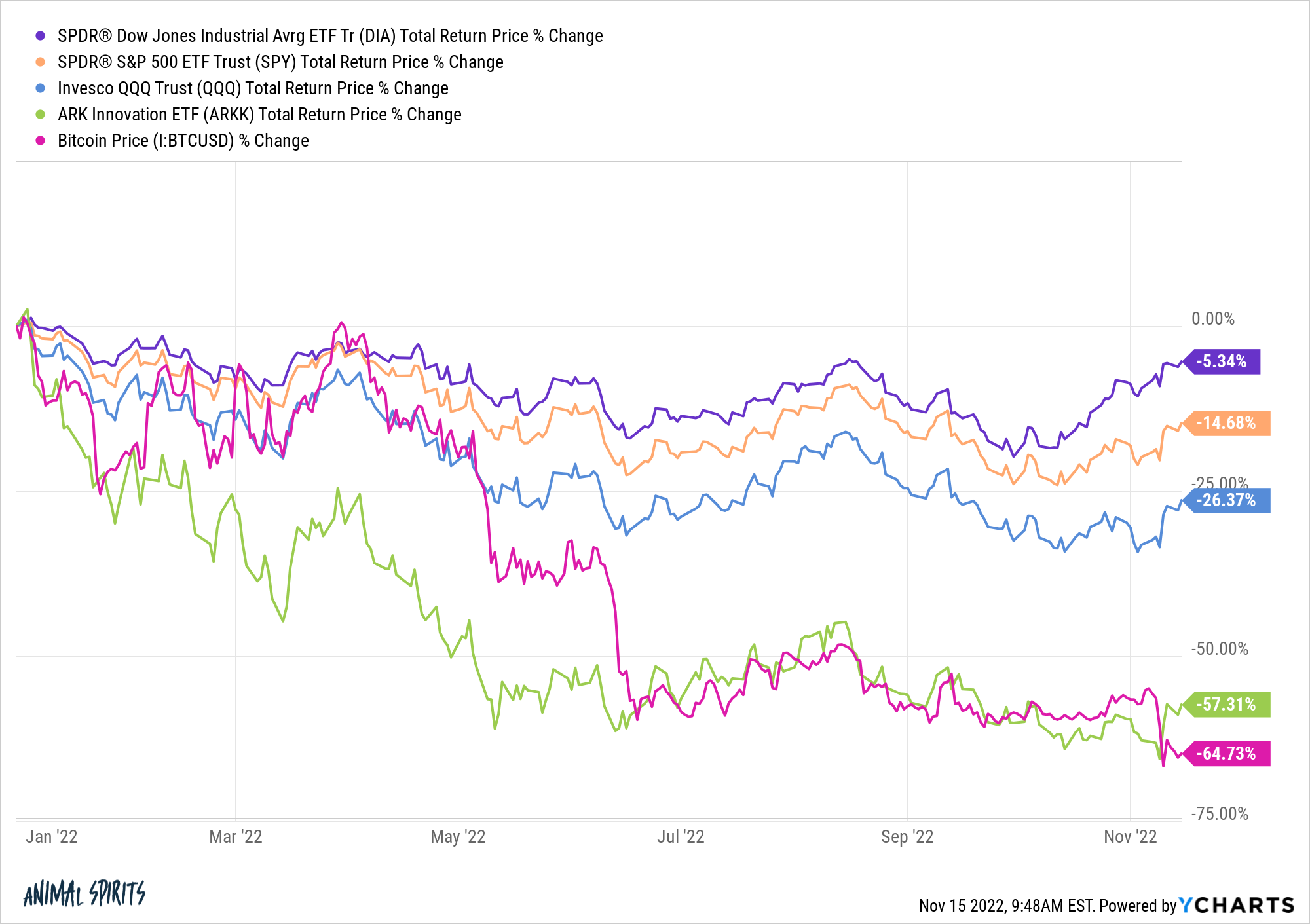
Consider what an index fund does: it buys everything in a defined universe—the S&P 500, a total market, a global basket—and then sits still.
There is no manager darting in and out, no thesis about which sector will sparkle or sink, no heroic timing.
It is a low-cost conveyor belt that carries you wherever the market, in aggregate, goes.
Because fees are friction and compounding hates friction, cutting fees is not cosmetic; it is structural.
Over decades, a percentage point is an inheritance.
The virtue of boredom begins as a protection against your own impulses.
When headlines shout, managers promise, and friends whisper about a hot tip, an index fund has no ears.
It performs the stubborn task of owning what exists.
You, meanwhile, are free to practice patience.
There is no story to check every morning, no cult of personality to adore or abandon, only the quiet compounding of capitalism’s broad output.

Critics say indexing is naive, that markets need price discovery, that passive investors are parasites on the efforts of active ones.
The critique contains truth and misses the point.
Price discovery continues because a meaningful portion of the market remains active.
Your job, as an individual, is not to subsidize discovery but to reach your goals with the highest probability.
Indexing is a humility strategy: it admits you cannot reliably pick winners or time cycles, and it profits from that confession.
A portfolio built around index funds is simple to manage and hard to sabotage.
Choose a global stock index fund for growth, a bond index fund for ballast, and tune the ratio to your risk tolerance and horizon.
Rebalance annually or by bands when allocations drift.
Tax-loss harvest when appropriate, locate assets across accounts to minimize taxes.
Then, do less.
“Don’t just do something, sit there” is terrible cinema but great finance.

Boredom also protects your attention, an asset rarely priced yet always scarce.
Energy saved from chasing narratives can be invested in your career, your relationships, your health—domains where your effort has leverage.
The index fund becomes a background hum, like a reliable appliance, while you foreground what actually differentiates your life.
Will indexing underperform in certain streaks? Of course.
There will be seasons when concentrated bets look brilliant and your diversified basket looks pedestrian.
This is the toll for stability.
Pay it with grace.
If you must express a view, use a small sandbox: five or ten percent for speculation, with rules that fence the wildness.
Let the core remain boring.

In retirement drawdown, indexed simplicity shines.
You sell units to fund living, you rebalance, you avoid manager turnover and style drift.
The fewer moving parts, the fewer ways to fail when your cognitive bandwidth is allocated to life itself.
Boredom is a guardian angel disguised as yawning.
In the end, index funds offer a philosophy dressed as a product: accept the market, minimize costs, automate good behavior, and direct your striving where it matters.
The virtue of boredom is not the absence of ambition.
It is the refusal to squander ambition on games designed to exhaust it.
Disclaimer : This content may be created by AI for entertainment purposes. Any resemblance to real persons, events, or places is coincidental.
