Dollar-cost averaging (DCA) is the ritual of buying on a schedule regardless of price.
It is not a scheme to maximize returns; it is a scheme to maximize participation.
By automating purchases weekly or monthly, you shrug at volatility’s theatrics and accumulate ownership over time.
This ritual protects you from the drama of picking entries and from the regret that paralyzes after a drop.
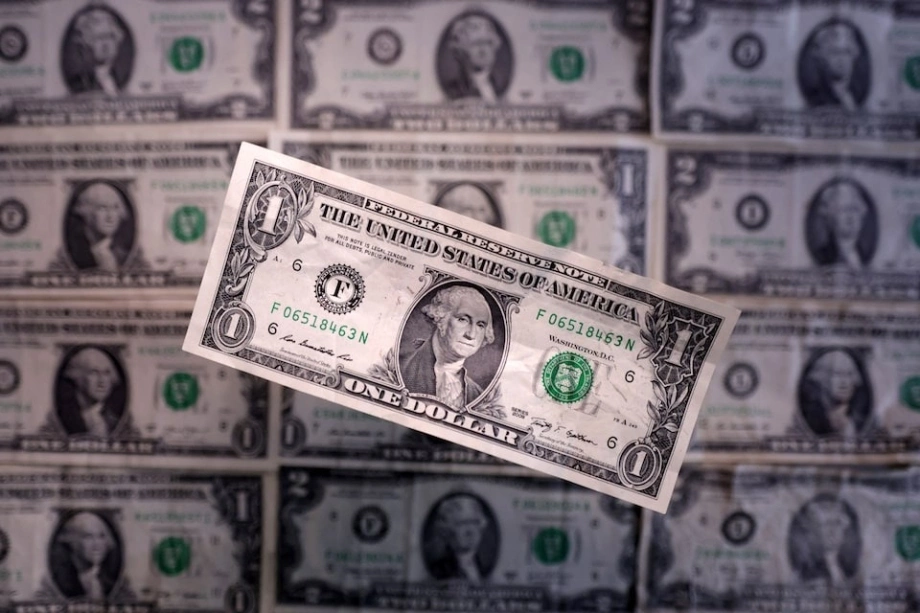
Mathematically, lump-sum investing often wins if you have the cash ready, because markets tend to rise more often than they fall.
Behaviorally, many cannot bear the thought of investing just before a decline.
DCA is a bridge between math and psychology.
It keeps you in the game.
It turns earning into owning with minimal negotiation between your present and future selves.

To practice DCA well, define the vehicles (broad index funds), the cadence (payday), the percentage, and the escalation plan (raise contributions with raises).
Use separate streams for separate goals—retirement, home, education—to keep narratives clean.
Then, guard the ritual.
When markets soar, you feel silly buying; when they crash, you feel scared.
The ritual ignores feelings without denying them.
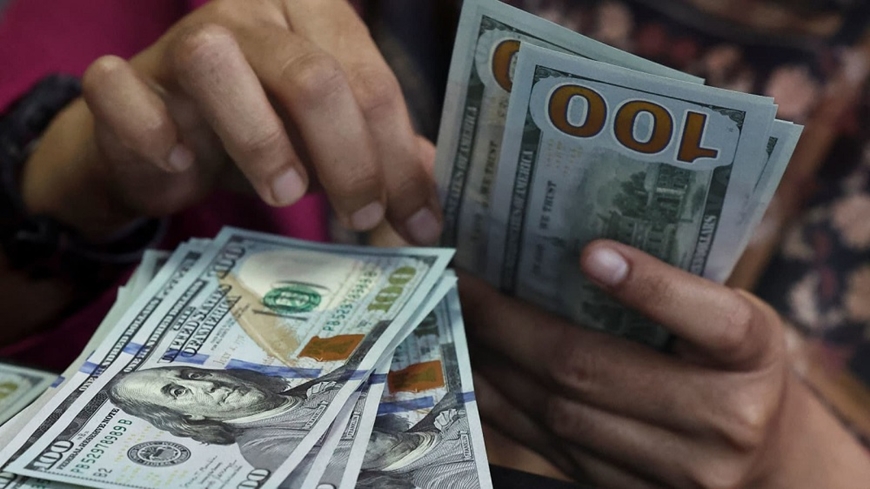
Combine DCA with rebalancing.
As allocations drift, add more to the underweight asset.
This knits together two quiet virtues—regularity and counter-cyclicality.
If you receive windfalls, you can choose a hybrid approach: invest a portion immediately and the rest through DCA, satisfying both math and mood.
DCA extends beyond markets.
You can dollar-cost average your learning by reading daily, your fitness by moving daily, your relationships by reaching out weekly.
Rituals turn intentions into realities by shrinking decisions.
You remove the opportunity to bargain with yourself poorly.

The risk is treating ritual as superstition.
DCA is not a talisman that wards off losses.
Downtrends can last; the value of what you buy can slump.
Your protection is time horizon and diversification, not the calendar alone.
Respect the limits of the tool and it will serve you.
In the end, DCA is a way to say: I will participate in growth without pretending I can choreograph it.
I will be present, steadily, as value accumulates.
Investors who show up, repeatedly, tend to beat those who wait for perfect days that never arrive.
Disclaimer : This content may be created by AI for entertainment purposes. Any resemblance to real persons, events, or places is coincidental.
