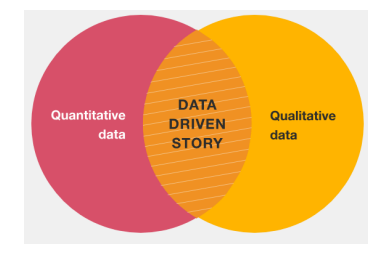
A claim is the moment when a story—my basement flooded, my car was hit, I slipped at work—must be translated into numbers.
It is a stressful bilingual exercise.
You speak human; the insurer speaks policy.
Bridging the languages requires preparation and posture.

Preparation begins before loss: photos of rooms and valuables, scanned receipts, a list of serial numbers, an understanding of your coverages and limits.
Store these where fire and water cannot find them.
When an event occurs, secure safety first, prevent further damage, then document: wide shots, close-ups, timestamps, witness contacts.
File promptly.
Many policies require timely notice.
Be factual and concise.
The adjuster is not your adversary; they are a gatekeeper bound by contract.
Provide what they request, ask what to expect next, and keep a log of communications.
If you don’t understand a decision, request the specific policy language being applied.
Abstract “no”s often become “yes”es when the clause is examined.
Contractor estimates are leverage.
Get multiple.
Insurers may use software that underprices local labor; your estimates introduce reality.
For total losses, learn the difference between actual cash value (depreciated) and replacement cost.
If you have replacement cost coverage, you may be paid in stages—initial ACV, then recoverable depreciation after proof of replacement.

Disputes happen.
Appraisal clauses allow each side to hire an appraiser and a neutral umpire decides.
For complex, high-dollar claims, public adjusters can advocate for you, taking a percentage fee.
Attorneys are last resorts when coverage is denied and stakes justify it.
Be pragmatic; do not spend a dollar to fight for fifty cents.

Emotionally, claims are exhausting.
Pace yourself.
Ask for help.
Celebrate small wins.
Remember that diligence today teaches your future self how to build better defenses.
After resolution, debrief: what coverage was missing, what documentation helped, what deductible felt right.
Adjust your architecture.
Disclaimer : This content may be created by AI for entertainment purposes. Any resemblance to real persons, events, or places is coincidental.
