Scams do not sell products; they sell urgency.
The friction they introduce is psychological—rush, secrecy, authority, scarcity.
The defense is not cynicism; it is listening for pressure that healthy transactions rarely apply.
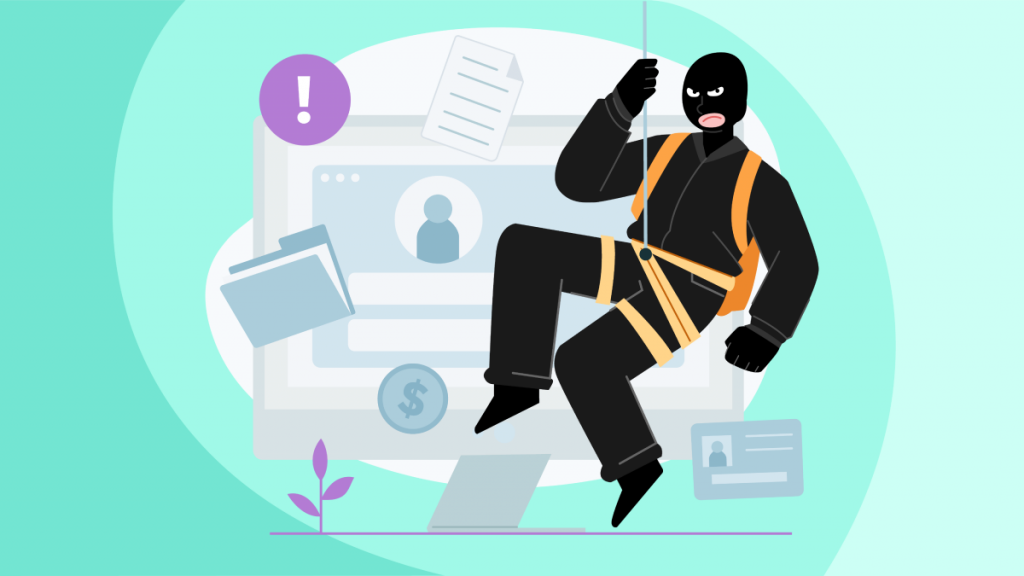
Classic patterns repeat: impostor calls claiming to be banks or agencies, investment pitches with guaranteed returns, romance scams that escalate from affection to requests, tech-support pop-ups demanding remote access, lottery wins contingent on fees, crypto “opportunities” that forbid questions.
The medium updates; the script remains.

Build protocols.
Never move money on the basis of an inbound call.
Hang up, call back using a known number.
Verify identity through secondary channels.
Refuse secrecy—legitimate institutions welcome scrutiny.
Slow down; the scam’s oxygen is speed.
When urgency spikes, apply brakes.

Train your intuition.
Ask: Who benefits? Why now? Why me? What happens if I wait? Scams crumble under patience.
For investments, demand audited financials, understand custody of assets, and be allergic to “too consistent” returns.
If you cannot explain the strategy to a smart friend, you cannot monitor the risk.

Protect surfaces: freeze your credit, use multi-factor authentication, unique passwords via a manager, patch devices, limit public oversharing.
Teach family, especially elders and teens.
Shame is scammers’ accomplice; normalize talking about near-misses and failures without judgment.
Report attempts.
Forward phishing to institutions, file with consumer protection agencies.
Collective vigilance raises the cost of deception.
The aim is not to eliminate scams—they adapt—but to make your household a hard target.
Disclaimer : This content may be created by AI for entertainment purposes. Any resemblance to real persons, events, or places is coincidental.
